Furnace, heat pump and boiler repair when the cold hits
A no-heat night is both a comfort problem and a safety problem — cracked heat exchangers and blocked flues carry carbon monoxide risk. Our screened partners diagnose ignition, gas, electrical and airflow faults, then quote the repair in writing.
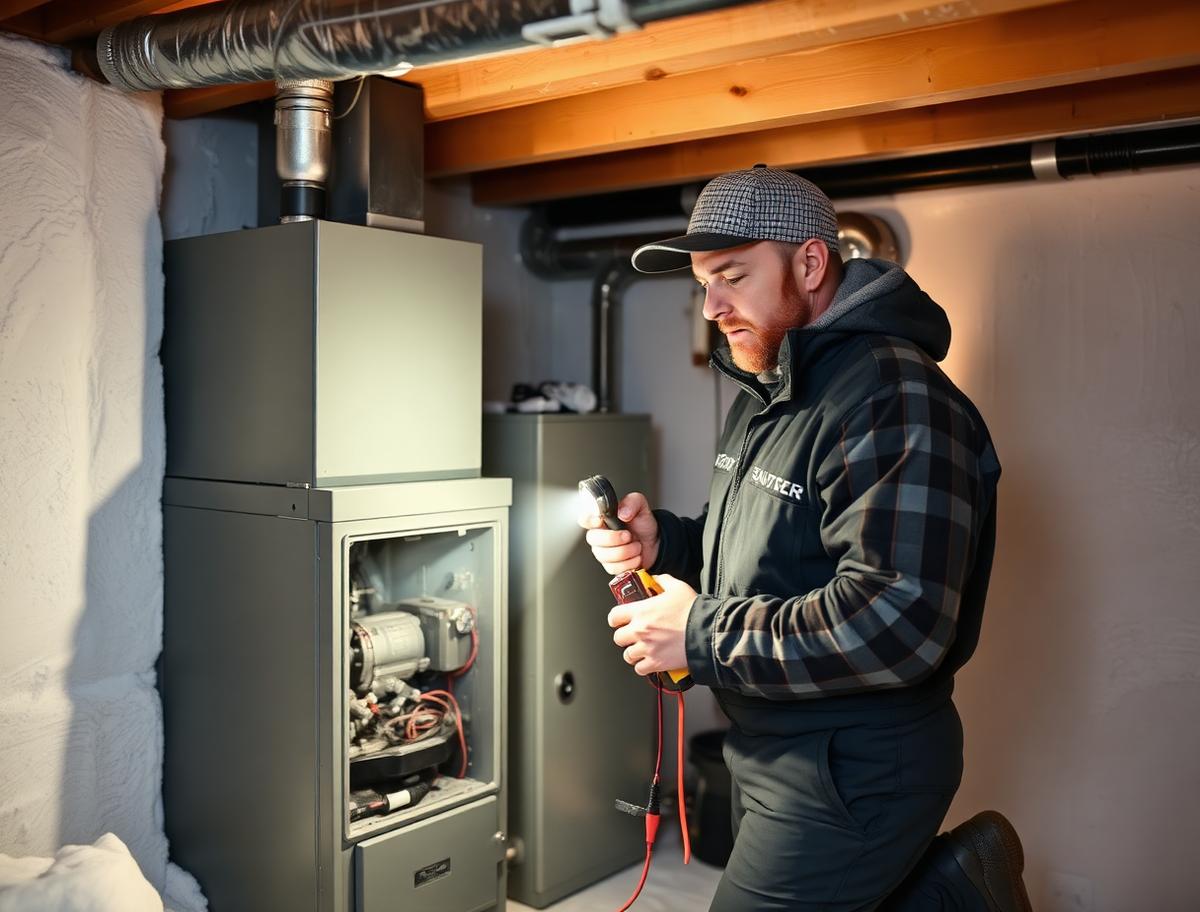
Warning signs
What to look for
- The furnace won't ignite or keeps locking out
- Failed igniters, dirty flame sensors and pressure-switch faults are the most common no-heat causes, and most are same-visit repairs.
- Cold air from the vents
- On a furnace this usually means a flame or gas-valve failure. On a heat pump it can be a stuck reversing valve or a defrost control fault.
- Rooms heat unevenly
- Leaky or undersized ducts, a failing blower motor or a zone damper stuck closed. Turning the thermostat up only raises the bill.
- Yellow burner flame, soot or a rotten-egg smell
- Signs of incomplete combustion or a gas leak. Leave the house and call your gas utility first, then book an inspection.
- A carbon monoxide alarm has tripped
- Treat it as an emergency. A cracked heat exchanger or blocked flue must be verified before the system is used again.
Scope of work
What's included
- Full heating diagnostic: ignition, gas valve, flame sensor, limits and controls
- Heat exchanger inspection and combustion analysis for carbon monoxide safety
- Heat pump refrigerant, reversing valve and defrost board testing
- Boiler circulator, expansion tank, zone valve and pressure checks
- Blower motor, capacitor, inducer and control board replacement
- Thermostat wiring and calibration verification
- Written repair-versus-replace comparison with efficiency and rebate notes
Typical heating repair cost
$150 – $1,400
Igniters, flame sensors and thermostats sit at the low end. Blower motors, control boards, inducer assemblies and heat exchanger work run highest — a cracked heat exchanger usually pushes the decision toward replacement.
National averages shown for orientation only. Your itemized quote comes from an independent licensed contractor after an on-site inspection.
Questions
Heating Repair FAQ
Do you handle emergency no-heat calls?
Yes. No-heat requests are prioritized in our routing, and during cold snaps most homeowners hear from a licensed local contractor within a couple of hours.
How long does a furnace last?
Gas furnaces typically run 15 to 20 years, heat pumps 12 to 15, and boilers 20 to 30 with maintenance. Past those marks, repeat repairs usually cost more than a new high-efficiency system.
What should I check before booking a technician?
Confirm the thermostat is set to heat with fresh batteries, the furnace switch and breaker are on, the gas valve is open, the filter is clean and the front panel is fully seated — most units will not run with the door switch open.
Is a cracked heat exchanger repairable?
Almost never economically. It is a carbon monoxide hazard, the part cost approaches a new furnace, and most contractors will red-tag the unit until it is replaced.
Why does my furnace keep short cycling?
Common causes are a clogged filter restricting airflow, a dirty flame sensor, an overheating limit switch or an oversized furnace. A technician measures temperature rise and static pressure to tell them apart.
Do heat pumps work in cold climates?
Modern cold-climate heat pumps hold useful capacity well below freezing and are commonly paired with a gas or electric backup for the coldest hours. Your contractor sizes the balance point for your area.